A+ A A-
  • Written by Madelaine Bullwinkel

EXPERIENCE FRANCE AT HOME


A meal composed entirely of cheeses from France conjures the feeling of ‘being there’ in Francophiles and will convert anyone eager to move beyond sliced cheddar.  Each piece is much more than a well-preserved, cultured milk solid.  It boasts a feisty pride in regional tradition and fidelity to a strict set of standards. A meal of plastic-wrapped namesake cheeses, even if you can find them at the market, are costly and merely whisper their identity when compared with those shipped directly from France.  


The reason is simply that these traditional French cheeses are made from raw or briefly heated (thermized) milk that retain much of its natural bacteria and enzymes. These are fragile living foods. French cheese containing live microorganisms are held, uncovered, in controlled conditions for sixty days to age out potential pathogens. During that time they develop flavor unique to their place of origin (terroir). Those then wrapped in plastic for export say 'raw milk cheese', but their bacterial activity stopped once deprived of air.


Since the middle of the 19th century, the French have developed standards and a system of verification to protect the quality of their prized agricultural products.  French wines were first to receive AOC (Appelation d’Origine Controlée) certification.  In 1925, Roquefort was the first among currently forty cheeses to attain this status.  Today, the AOC label has been replaced by the European Union’s AOP designation (except for French wines) creating uniformity among member nations. 


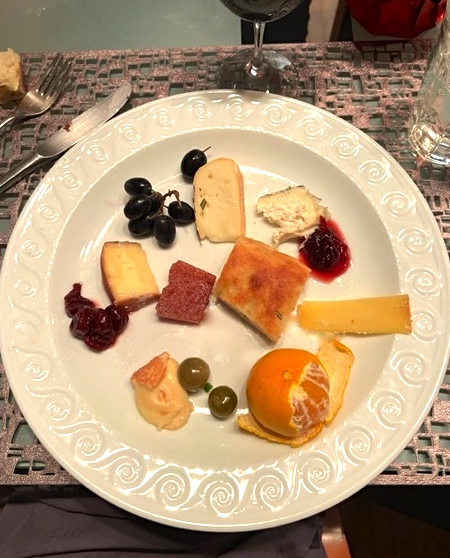
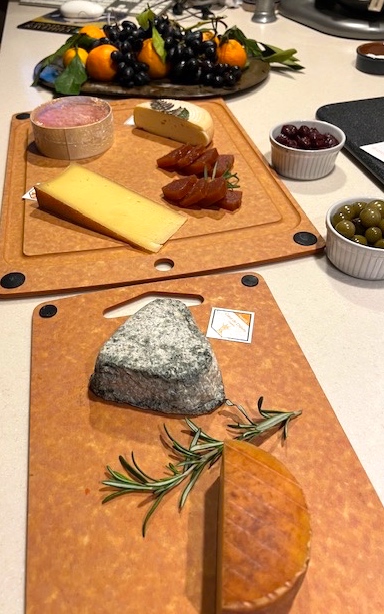
For a recent holiday meal, I chose cheeses that announce their originality. They included a Corsican sheep’s milk cheese decorated with a lacy fern leaf, a heart-shaped goat cheese coated with ash and a unctuous round of Epoisses de Bourgogne wrapped in paper and packed in a wooden box.  The mild barnyard scent given off by the Epoisses leant a note of authenticity to the dining room's atmosphere.


It's not going too far to say that the tradition of making raw milk cheeses is symbolic of French identity. A frustrated President Charles de Gaulle put it bluntly when he said “How can you govern a country that has two hundred and forty-six varieties of cheese?”  Imagine the job of governing France today, some seventy years later, knowing that the number of these cheeses has increase to more than 350. 


There are over 100 individual cheeses and a couple of pre-chosen selections displayed on the Fromages.com website.  When shopping, I search out cheeses from a variety of milk sources (cow, goat and sheep) and from a variety of regions (Normandy, Auvergne, Loire Valley, Provence, Pyrenees).  My recent FEDEX delivery arrived two days later than promised during the Christmas holidays.  Each cheese was wrapped in paper, nested among frozen gel-packs and in excellent condition. There are risks involved when ordering a perishable product from Europe, but most of the reviews on the Fromages.com Facebook page are as positive as mine. 


  • Written by Madelaine Bullwinkel

5 HOLIDAY FOOD GIFT RECIPES


One dubious benefit of the pandemic has been to turn holiday shopping into a quick, one-click exercise.  Why not use some of the time you’ve saved this year, as we gather in person, to add a distinctive touch? A small, unique food gift that you have made yourself says, "I care about you!"

Let me help you select a recipe from among those I've posted on my blog and taught over the decades at my home cooking school. Here is a short list of delicious gifts at every skill level. Simply choose a recipe that you would like to receive as a gift.  Any one could easily be turned into an afternoon family project. 

Vegan Mason Jar Soups : soup mixes

The Lentil Soup Mix recipe, for example, doesn’t require any cooking.  Simply layer colorful beans, grains and seasonings in an attractive glass jar.  Print out a recipe (your own?) to attach with a colorful bow.  You have created a meal without having to cook it. 

The next easiest homemade gift is ‘Rise and Shine’ Granola. It involves mixing, seasoning and toasting the grains. You can go nuts, so to speak, customizing the add-in fruits, nuts and seeds. Just think how you will brighten your friends’ breakfast routine this winter.

You will want to tie on an apron to make jars of Cranberry and Ginger Jam.  The cranberries and apples soften and thicken into  jam in about twenty minutes.  My recipe includes directions for quickly vacuum sealing dishwasher-clean jars. One recipe yields 6 quarter-pint (1/2 cups) jars or 3 1/2 pint jars.

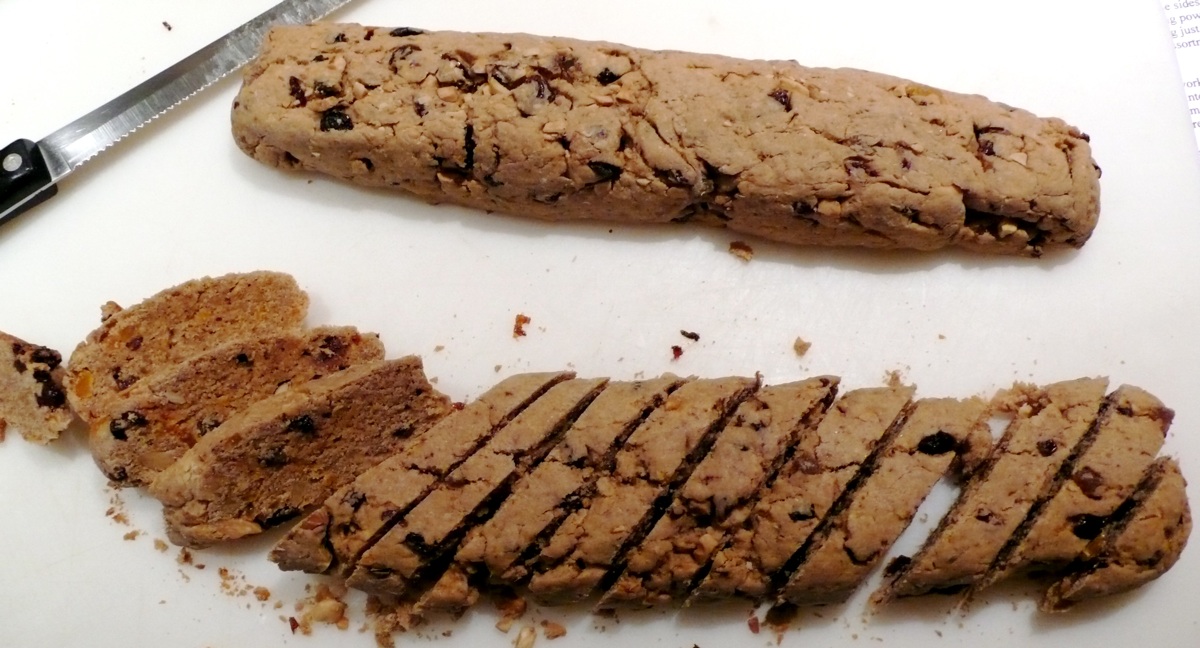
For your 'bestie', the ultimate gift is a combo of homemade jam paired with a golden loaf of Nick’s Quick Brioche. Make one large loaf or as many of four single serving rolls. If you are not ready to bake with yeast, a great alternative is a batch colorful Fruitcake Biscotti. Mix up a stiff dough that includes dried fruit and nuts, divide and bake two loaves, then slice and toast individual pieces.  A white chocolate glaze will give them special appeal.


It’s no secret that home cooks and bakers get as much pleasure sharing food gifts as those who receive them. Freshly homemade food conveys the most precious gift of the season, that is, your time.

Wishing you Happy Holidays and Healthy New Year!


  • Written by Madelaine Bullwinkel

IMPROVISING WITH BUTTERNUT SQUASH

A moment of enlightenment remains an indelible memory, especially when it occurs in Paris.  Ten years ago, a seemingly impossible cake recipe caught my eye as I leafed through the current  Elle Magazine in a Montmartre tabac shop.   Since when was a squash puree a main ingredient in a cake batter with diced apples piled on top?  This had to be a printing error.


As a faithful adherent to Le Cordon Bleu techniques à la Julia Child, I took a limited view to recipe substitutions.  Julia’s alterations went as far as replacing two tablespoons of butter with vegetable shortening in a pâte brisée pastry dough.  She was simply swapping out one fat for another that is easier to handle although less tasty.  Now, sixty years after the publication of Julia's first cookbook, Mastering the Art of French Cooking, I still cling to basic techniques rather than striking out on my own.


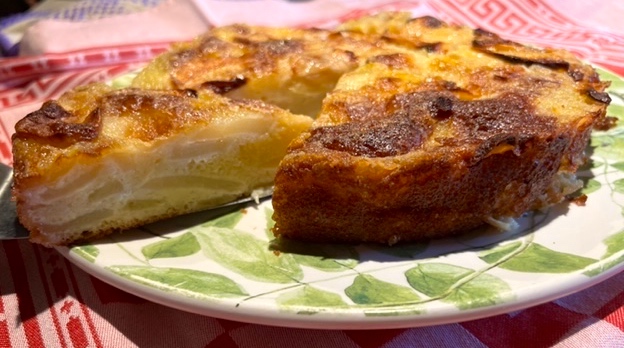
The cake I prepared  from Elle recipe back in 2012 was a marvel. It had an amazing custard-like consistency and vegetal sweetness that the tart, still-crunchy apple bits on top complemented perfectly.  One had to allow time to bake the squash and dice the apples, but adding the remaining ingredients was easy.  Butternut Cake with Diced Apples soon became a staple in my fall cooking class repertoire. I have come to admire the way French women bake at home. Their tradition takes license with culinary doctrine to create more inventive desserts.


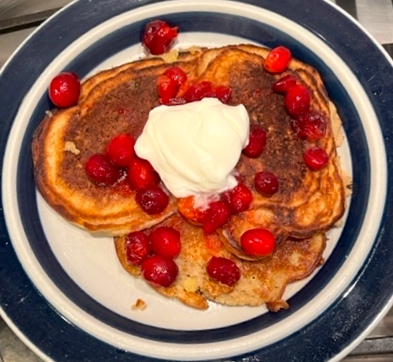
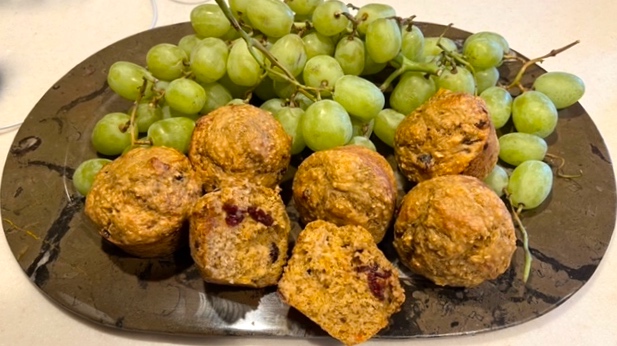
This year, for no apparent reason, I developed a serious craving for the comforting sensation of butternut squash baked in a cake.   Small  tweaks to the cake recipe itself resulted in plump, tender Butternut Pancakes to which I added a simple cranberry sauce, an even better complement than apples.  Emboldened by this success, I improvised Butternut Cranberry Muffins by substituting butternut squash in an existing recipe for banana pancakes, adding pumpkin spices and folding dried cranberries into the batter.  Voila!


I'm going to continue to riff on holiday home baking in an online cooking class on November 5.  This  Holiday Pie Update session will introduce ways change up traditional recipes for pumpkin pie, cheesecake and fruit tarts.  Join us to brush up your skills and learn more!