A+ A A-
  • Written by Madelaine Bullwinkel

DEPT OF TRADITIONS: A CHRISTMAS WRAP

The menu for Christmas dinner used to be a no-brainer. The meal was always the same as past years, in a word, traditional. In the 1950’s our family gathered around a table of middle-America’s favorite ‘gourmet’ foods: roasted beef tenderloin and twice-baked potatoes with a green vegetable on the side. As I recall, we all ate the same food without much reflection or complaint.

Today, two generations later, a once consensual menu has become burdened with a list of food restrictions that would overwhelm a short order cook. Home cooks are more skilled and better equipped to handle numerous food allergies and moral restrictions of family members.  They are also aware that holiday foods have health and social consequences. Faced with all these factors, is there a way to satisfy everyone at the table and spare the cook?                                                          

My solution this year is a Holiday Wrap aka Coulibiac of Salmon, a filet of fish set on a bed of rice, covered with spinach and baked in a crust. It looks like a traditional ‘gourmet’ entrée and is somewhat more demanding than assembling a burrito. Let me add that this all-in-one wrap fills the plate beautifully and eliminates the need for side dishes. Dress it up with a simple sauce of sour cream seasoned with Dijon mustard.  Just don’t try to pick it up.

Best wishes for Happy Holidays and a Healthy, Productive New Year! 


  • Written by Madelaine Bullwinkel

Dept of Holiday Baking: Airborne Cookies

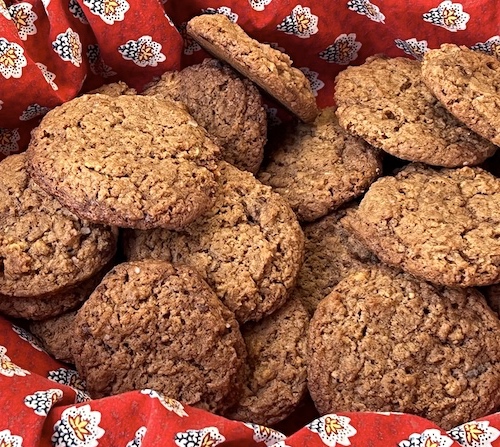
If you have wanted to see cookies flying through the air, you have just enough time to book a flight for Amsterdam to join the Sinterklaas parade on December 5. Sinterklaas is a majestic Santa, patron saint of children, who arrives by canal boat and rides an equally majestic white stallion through town while his attendants throw spice cookies into the crowd.  That night he fills the shoes of good little boys and girls with these crisp little treats called kruidnoten.  The next morning, it’s customary to toss them around, then quickly retrieve and eat them. I am not recommending you try this at home.

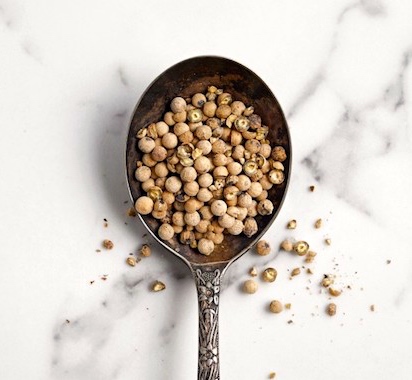
I do recommend that you bake these ‘spice nuts’ and eat them right off the bake sheet to fully enjoy a surprising flavor blend of sugar, spice and pepper. Along with the anticipated aroma of anise seeds, cinnamon and ginger, the addition of ground white pepper makes the kruidnoten unique among European holiday treats. You can mix them in among the sugar cookies, with or without a spoiler alert, or save this intense taste treat to share with a friend over a cup of tea or coffee.

Kruidnoten became a popular gingerbread nugget during the 17th century when the Netherlands dominated the spice trade in India and Indonesia. The rarity and expense of peppercorns made them a prized holiday ingredient. Both white and black peppercorns trigger heat sensitive taste buds in the mouth, but the white one is milder and plays well with other spices. Let’s not forget that powdered ginger root also packs some heat.

We have my friend Jeff Abell, to thank for this recipe for kruidnoten. He gives credit to Chicago chef David de Quay who originally dictated the ingredients to him. Jeff experimented until he found just the right the balance of sweet and hot flavors. You may do the same. For the best results, I advise that you replace last year's powdered spices with new containers.

Happy Holidays!


  • Written by Madelaine Bullwinkel

DEPT OF DECEPTION: CANNED PUMPKIN PUREE


My decades-long search for a pumpkin that tastes as good as butternut squash is over.  I have spent years secretly substituting squash for Libby’s pumpkin puree in vain.  It turns out that Libby's has been following the same deceptive practice!  This is a moment of mixed disappointment and relief.  I know how Linus will feel when he finds out there is no such thing as ‘The Great Pumpkin’.


The New York Times recently broke the news that the main ingredient in Libby’s pumpkin puree is Dickinson squash, a variety similar to butternut. Pumpkin and squash are in the same family of fruits (because they have seeds), and a government rule allows manufacturers to use generic labeling.   It doesn’t take much marketing savvy to figure out that a can with a pumpkin puree label will sell better than one that says squash.  This food industry sleight of hand is harmless, but it doesn’t inspire confidence either.


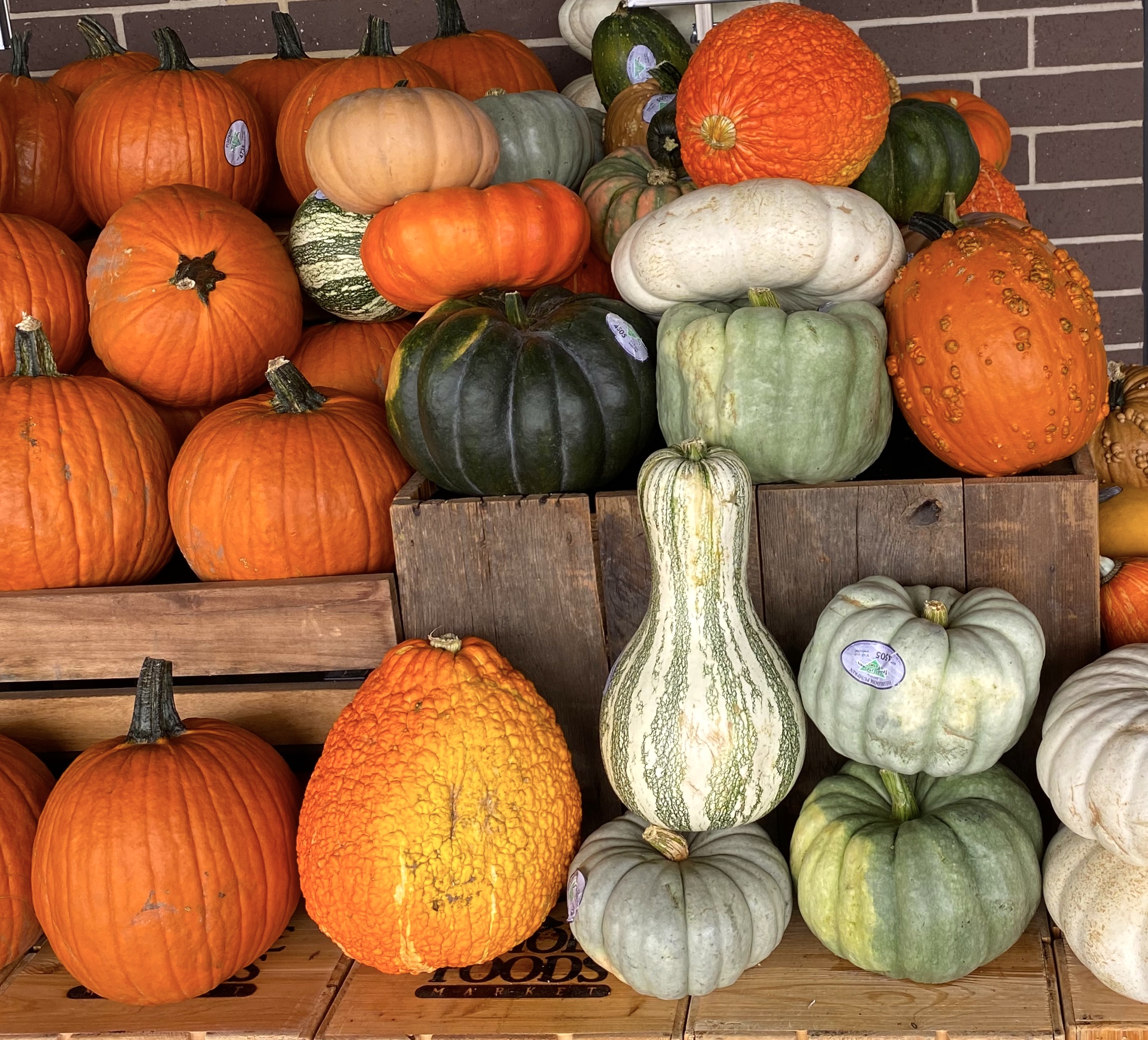
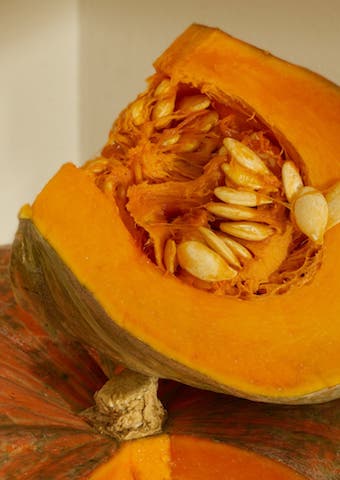
By all that’s right, hard-shell squash ought to be wildly popular throughout the winter months. It draws attention in the produce section with it's quirky shapes, colored stripes and benign warts.  The interior is a sunny yellow to orange color, is tender when cooked and slightly sweet.  


I haven’t peeled a squash in years, following the lead of a French chef in Provence.  Give it a try.  Simply halve and seed it; place it in a 350-degree oven on a baking sheet lined with parchment for 30 minutes, or until it can be easily pierced. The skin softens with cooking and offers a slightly chewy texture.  A tender. cooked squash makes a delicious container for an entrée, stuffed in any number of ways, or as side dish, sliced and drizzled with butter. 


There is so much to celebrate when eating squash, starting with the fact that it is native to the Americas and was farmed by indigenous peoples as early as 7000 years ago.  Winter squash is also densely packed with vitamins, minerals and fiber, yet is low in calories and price.  It’s worth mentioning that the orange pigment in squash flesh provides 200% of our daily requirement of Vitamin A which supports our vision and boosts the immune system.


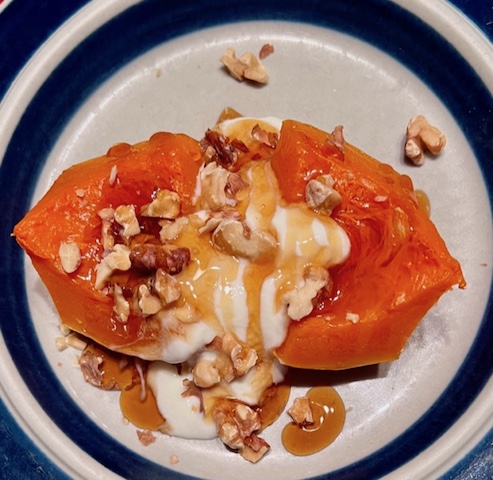
You will find a number of pumpkin and squash recipes in the Chezm.com website archive.  In fact, I riffed on butternut squash in a blog just a year ago. This year I have a new super easy dessert recipe to share:  Butternut Squash with Yogurt, Walnuts and Honey.


Enjoy!