A+ A A-
  • Written by Madelaine Bullwinkel

BIG FISH STORIES

The labels in the seafood section of our markets tell some unbelievable fish stories these days. At Whole Foods Chilean sea bass is identified as both wild-caught and of US origin.  Atlantic salmon at Jewel stores sells for $5 a pound at Jewel stores while a sign overhead claims support for sustainably raised seafood.  An engaged consumer can tell there’s something fishy going on.    


It turns out that the Chilean Sea Bass was wild-caught somewhere and shipped frozen in the States.  Defrosting it for sale apparently makes it an American product.  It stretches credibility to believe that salmon farmed in ocean pens hundreds of miles offshore and in foreign countries can be responsibly raised and sold for $5 a pound.  The sad truth is that upwards of  80% of America’s seafood is imported.  Some of it makes a round-trip from the States to processing plants abroad where labor is cheaper and returned here frozen. That’s one fish story we are not likely to be told unless we ask. 


The affordable salmon we see year round in our supermarkets is Atlantic salmon, now extinct in the wild and raised exclusively in offshore pens.  A decade ago, the World Wildlife Fund published environmental and public safety standards for farmed salmon.  In a  2018 post, I reported that the non-profit Aquaculture Stewardship Council had assumed the role of certifying fish farms that complied with these practices.   A blue ASC logo displayed at the grocery store was like a Good Housekeeping seal of approval for seafood. 


This consumer security blanket was abruptly pulled away last year with the release of the Netflix documentary, Seaspiracy.  This film recorded the appalling extent to which fishing industry practices are responsible for decimating fishing populations, polluting waters around the globe with debris and abusing its poorly paid workforce.  The film also exposed the certification system as a pay-to-play industry sham.  The public remains currently at sea when it comes to evaluating the quality of seafood for sale in the marketplace.   


For a  story about what we can expect in the future, let’s return to the 2012 post I wrote about a company awaiting final FDA approval to farm a genetically-altered salmon.  Thirty years ago   Aquabounty inserted two genes from other fish species in an Atlantic salmon that allows it mature much faster and to grow exponentially larger than the standard Atlantic salmon (see the photo at the head of this post). When  I reported the AquaBounty story, the company had been waiting for ten years for approval.  It was running out of money and about to be sold. 


I followed up on this cliffhanger story for this post.  Not only is Aquabounty alive and well, the company is raising its salmon in my backyard, so to speak.  Its two midwestern facilities raise salmon in large indoor ponds that clean and recirculate water.  This hydroponic model is sustainability at its best, but questions do remain.  Will the public purchase and eat a fish-not-found-in-nature?  Does it taste just like or better than other farmed salmon on a diet of manufactured food pellets that look like dog food?    


My advice going forward is to confirm the source and freshness of the seafood you purchase.   Store employees should be able to tell you where a fish was caught, whether it is wild or farmed and if it arrived frozen.  In my experience, the staff is quite helpful and will retrieve the box a fish arrived in to answer your questions.  I will continue on the lookout for the next fish story. 


  • Written by Madelaine Bullwinkel

BREAKFAST INSPIRATIONS


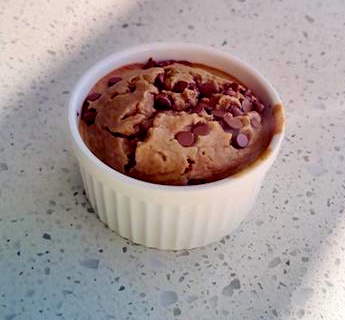
Breakfast has always been an important meal in our family but rarely one that is newsworthy. So I was surprised to get an SMS message from my daughter, Celia, as I sat down to my bowl of oatmeal recently. She had sent a photo of a puffy muffin dotted with chocolate chips. Was this breakfast or dessert? It turned out to be both.

Baked Oats is the latest iteration of the overnight oats culinary phenomenon, a TikTok-worthy mash-up of rolled oats, banana, egg and maple syrup. I had to admit it looked like an improvement on the soggy oat concoction that inspired it, but I’m not one to criticize. At her age I was substituting prunes for chocolate in brownies. I confess to raising a child who aspires to having her cake and eating it too.

Breakfast cereal is a 19th century American creation which has largely abandoned the healthy objectives of its inventors. Supermarkets today devote an entire aisle to boxed cereals filled with puffed, colored and sweetened corn and grains. Who among us cannot identify the rustle of flakes or the rattle of puffed balls as they hit the bottom of a breakfast bowl? Or the scent of sugar and fake vanilla wafting up as a flood of cold milk swamps the dish?

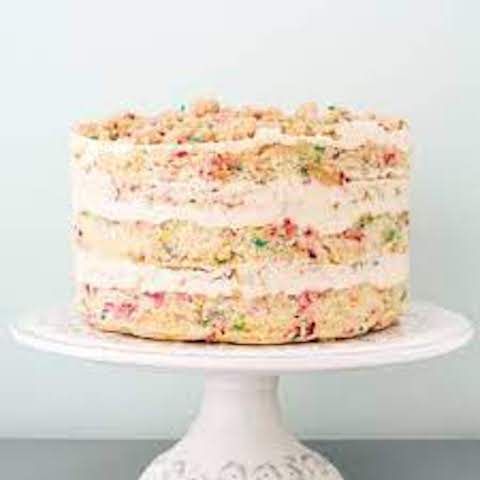
It was only a matter of time before a creative pastry chef would champion the flavor associated with this indelible childhood memory. When Christina Tosi opened Milk Bar in the East Village section of New York City in 2008, it was an instant success. Her secret? The milk in her cakes and pastry spent a night soaking up the grain, sugar and flavorings in breakfast cereal. To heightens the sense of childhood delight Christina eliminates frosting and folds bits of colored cereal into the cake layers. 

In Modena, Italy the morning meal in the kitchen of Massimo Botturo’s three star restaurant is the bread remaining from last evening’s service, soaked in milk with sugar to taste. This is the breakfast Massimo fondly remembers eating in the home of his prosperous Bolognese family. His reverence for the value of stale bread has evolved with his rising prominence into a commitment to reduce food waste.

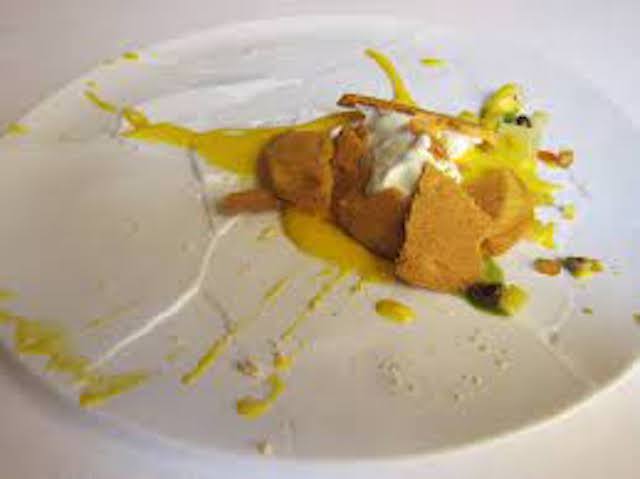
Massimo champions this perspective on the gastronomic level in visually stunning presentations.  One signature dish consists of an artful arranged pile of torn pizza crust. Then there’s a lemon tart that is served looking as if it had been dropped on its way to the table. 

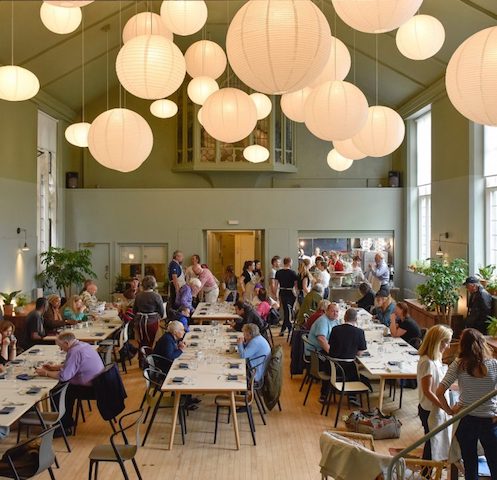
Botturo put this idealistic concept into practice at the 2015 Milan Expo that attracted 184 countries, each exhibiting its response to the motto: Feed the Planet, Energy for Life. Botturo created weekly menus using leftover ingredients collected from the expo booths. With the help of volunteer designers and carpenters, he turned an empty theatre in one of Milan's underserved neighborhoods into a soup kitchen in the style of a monastic refectory.


Le Refettorio Ambrosiano served five meals a week to the impoverished residents of the surrounding Milanese neighborhood during and even after the Expo.  An international roster of celebrity chefs took turns spending a week in a makeshift kitchen creating beautiful,, substantive meals from donations and writing down the recipes as they created them. One of the more unexpected recipes in the cookbook published afterward is a Brazilian chef’s banana peel chutney. The enormous success of Le Refettorio Ambrosiano inspired Botturo and his American wife to chair foundation that will continue these projects.

Do you find breakfast inspiring?  Feel free to share your thoughts and recipes at This email address is being protected from spambots. You need JavaScript enabled to view it..

  • Written by Madelaine Bullwinkel

IN PRAISE OF STALE BREAD


Wait a moment before you throw out the stale remains of that loaf of bread.   Even as it stales, bread made with natural ingredients will continue to play its ancient role as the staff of life. (In Egypt, the Arabic word for bread, aish, also means life.) Imagine instead all the ways slices of days-old bread can be transformed into a restorative meal. 


My preferred way to quickly revive yesterday’s bread is to toast it.  Heat releases flavors in the wheat and caramelizes its sugar to create a crunchy, roasted wheat flavor.  Drop a moist dollop of crushed olive paste or tuna salad on a slice, toasted or not, and it is born again as a tasty bruschetta. 


In the weeks leading up to Mardi Gras dry bread becomes the key ingredient in rich bread puddings. Its single serving equivalent, French toast, is particularly flexible.  Serve it for dessert with honey, syrup or ice cream, for breakfast with fruit or as a savory luncheon sandwich filled with sautéed onions and Gruyère cheese.  


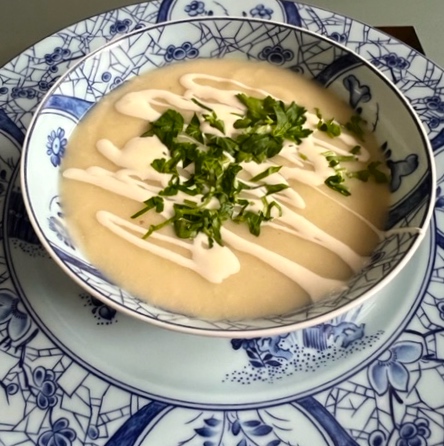
Possibly the oldest soup recipe was prepared by pouring hot broth over a thick slice of stale bread.  If this sounds fanciful, try to imagine a French Onion Soup without the garlic-scented crouton and melted Gruyère cheese.  Madeline Kamman’s 1976 classic, When French Women Cook introduced me to the elegant simplicity of Bread Soup. Her recipes combine bread soaked in milk with added broth and sauteed  shallots.  I have scaled back her addition of a copious amount of cream to one tablespoon of crème fraïche (or yogurt) drizzled over the surface.   It’s a wonderfully comforting meal on a cold winter night. 


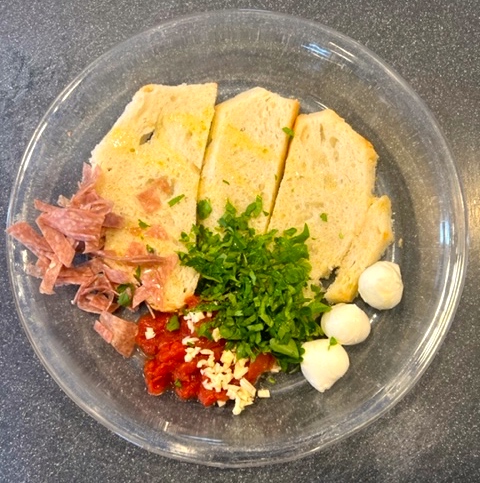
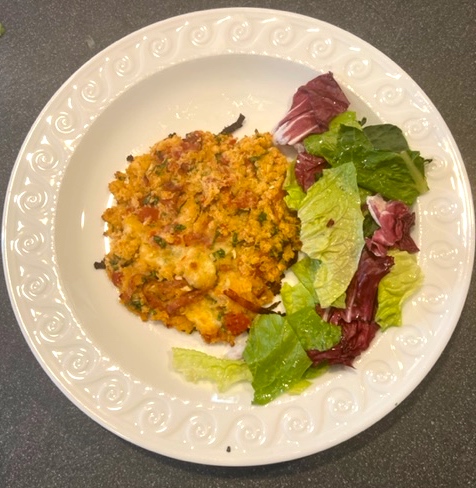
The height of transformative baking with stale bread is Bread Pizza, and it is quicker and cheaper than having one delivered .  Simply gather leftovers from the refrigerator: cheese, lunch meat, cooked vegetables, some parsley.  Chop them up and mix them with a couple slices of day-old bread, crusts removed, soaked in water and mashed with a fork into a puree.  I like to add a tablespoon of olive oil and a clove of diced garlic.  Squeeze out the water in your hands for a toasted consistency; leave it wet if you prefer a pudding-like texture.  Bake it in a 500 degree oven for 10 -12 minutes.  I guarantee you will experience a childlike sense of satisfaction with your accomplishment.