A+ A A-
  • Written by Madelaine Bullwinkel

MICRO FARMING

A unique farming operation is operating in downtown Lemont, Illinois, a sleepy suburb bordering the I & M Canal, thirty expressway miles southwest of Chicago. Spira Farms is housed in the kind of nondescript storefront typically occupied by an insurance agency or a shop selling sports memorabilia. In this small space Chris and Caitlyn Borek grow more than enough plants to fill the produce section of the nearby grocery store.
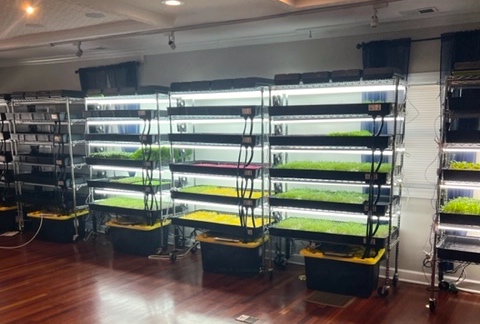
 

A peek in the windows reveals glowing rows of LED lights hung above Metro Racks five rows high each shelf occupied by black trays. A visitor will find the interior space otherwise empty and quiet except for the soft whirring of moveable fans set at different heights around the room. This open room is a carefully controlled ecosystem teeming with life. Each tray is packed with thousands of tiny plants.

Chris has been building out his microgreen farm, step-by-step, over the past four years when not at work as a data analyst. He is focused on creating a self-sustaining agricultural process rather than simply servicing the next food trend. In Chris’s words, he aims “to close the loop” with his farm of miniature plants. 
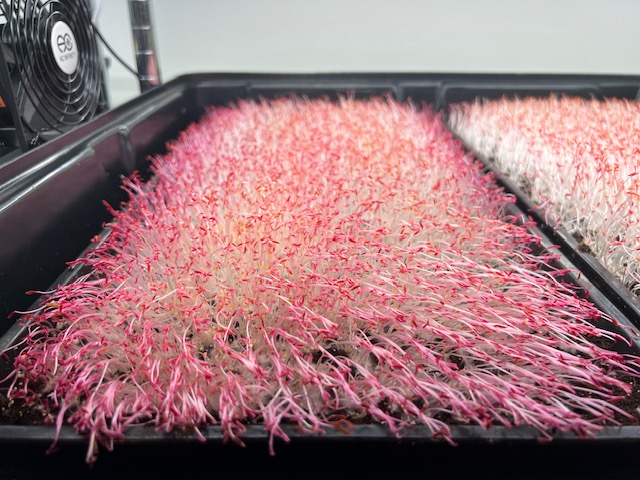
 

Amaranth microgreens

Among his ambitious plans, Chris hopes to offset the cost of electricity that maintains the farm’s exacting growing conditions with solar panels mounted on the building’s roof. Another project is finding a way to regenerate the soil between harvests. He has already eliminated plastic packaging by using PLA bags and clear clamshell containers made from corn or sugarcane. Caitlyn recently quit her day job to help grow, harvest and deliver their greens to surrounding markets and weekly subscribers.
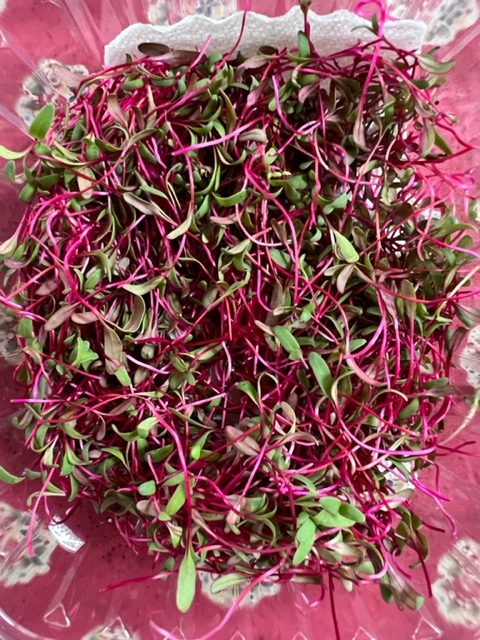
Beet microgreens


Microgreens themselves are awe-inspiring in their willfulness and efficiency. Every seed contains an embryo packed with nutrients and a growing code. By the time a plant is a week old and a four inches high, it will be easily 25 times more nutritious than when reaches maturity, even if one were to eat the entire plant. In other words, a microgreen uses 25 times fewer resources for the same nutritional content. This natural process takes just a few days in a clean, shallow layer of garden soil with the proper air temperature, lighting and water.  Wait for it.......Voila!
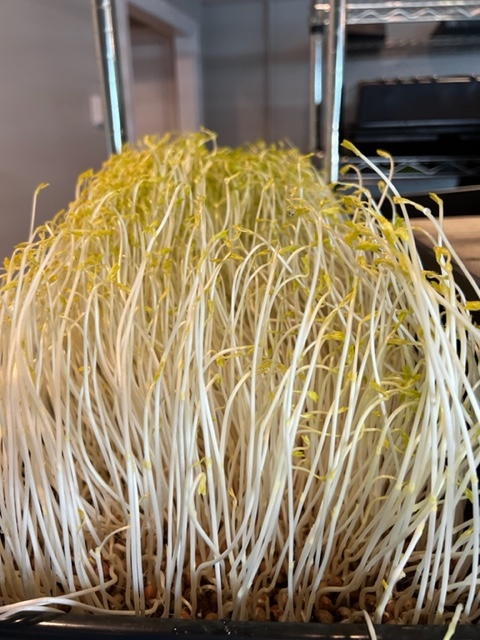
 

Speckled Pea sprouts grown in the dark which keeps them sweet and great for snacking

The second best reason to add microgreens to one’s diet is their intense flavor. There’s no need to consult a recipe. Eat them raw, add them just before serving any dish (except, maybe, oatmeal) and enjoy. Let me suggest adding a layer of crunchy mustard sprouts to a sandwich, folding radish sprouts into a salad or scattering arugula sprouts over seared salmon. It almost goes without saying that the the appearance of microgreens can add dramatic color and visual interest wherever they appear. A two ounce package of sprouts will garnish six servings and remain fresh for ten to twelve days when refrigerated between uses.
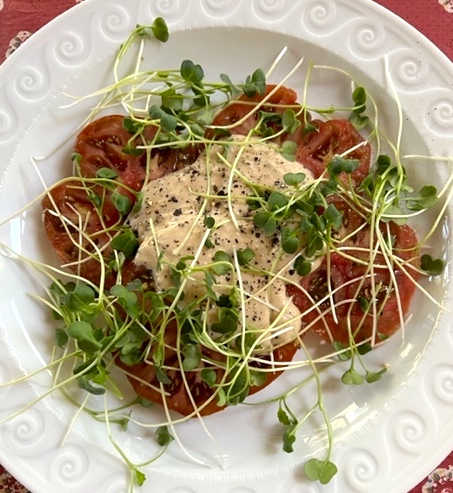
 

Tonnato Sauce over tomatoes with Spicy Radish greens 
  • Written by Madelaine Bullwinkel

CELEBRATING JUNETEENTH


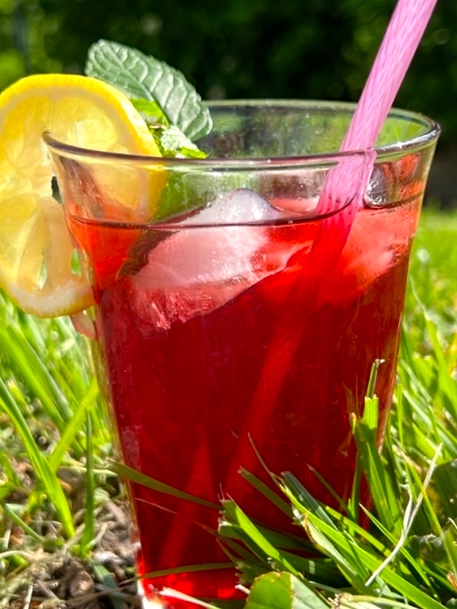
It required an act of Congress to bring a centuries-old African "red drink" into the culinary spotlight.  This year, chilled glasses of this brilliant Sorrel Tea will be raised on June 19 to celebrate our new federal holiday, Juneteenth.   Forbes has taken note and dubbed this tea “the biggest flavor of 2022” as if it had just arrived from abroad. Hiding in plain sight is a better description of a drink that has been commonplace in African American homes and restaurants for centuries.


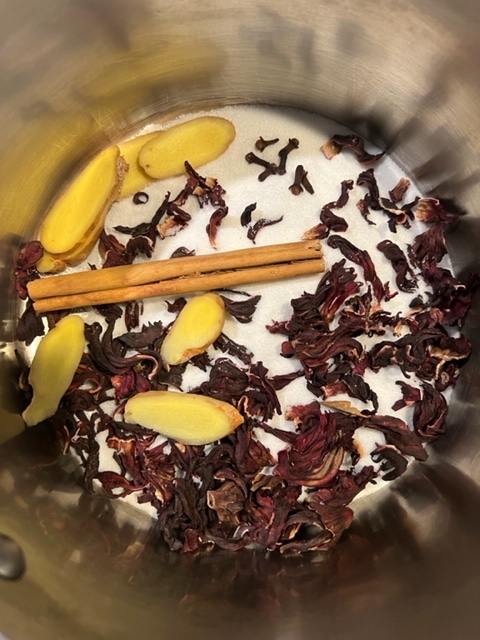
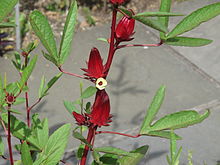
Sorrel is the name Jamaicans gave to the dried seed pods of a tropical hibiscus plant shared by West African slaves en route to the States in the 17th century. Bissap is its name in Senegal, where it may have originated, and where it is still prescribed to treat common ailments and to celebrate important occasions. As this drink grew popular in the islands it was embellished with cinnamon, nutmeg, ginger, bay leaf and sugar. Initially difficult to grow in the States, African Americans improvised red drinks with strawberries and cherries and red Kool-Aid. Every community devised their own recipe and name for the 'red drink'. In parts of the South, hibiscus punch is called "Florida Cranberry". Eventually Caribbean immigrants brought sorrel to the States and cultivated it here.


White Americans are familiar with the floral notes and bright red color of hibiscus in packaged teas and cocktail infusions, unaware of its storied past.  Curiosity led me to order a Bissap Sorbet at Moi Moi, an African restaurant off Farragut Square in Washington DC on a recent trip.   My friends and I were gobsmacked by its refreshing blend of sweet and tart flavors.  The sorbet was consumed more quickly than any other of the desserts, including a flourless chocolate cake. 


Sorrel Tea is the ideal drink with which to celebrate the first anniversary of Juneteenth, as the day, June 19, 1865, when Texas recognized the end of slavery, more than two years after Lincoln signed the Emancipation Proclamation.   It exemplifies the tenacity of a cultural tradition that spans continents and centuries.


SORREL DRINK 


2 cups dried hibiscus/sorrel 

½ lemon 

2 cinnamon sticks 

1/3 cup fresh ginger root, chopped 

2 cloves 

1 cup sugar 

10 cups water 


Combine all the ingredients in a pot and bring to a boil. 

Simmer, uncovered, for 5 minutes. 

Cover and steep for 2 hours or overnight. 

Strain into containers and refrigerate. 


  • Written by Madelaine Bullwinkel

RHUBARB'S DARK SECRET


Rhubarb has a secret we would never suspect when we reach for its crimson stalks in the supermarket.  This crop arrives before plants mature in home gardens for an unexpected reason.  Nature has given rhubarb the ability to grow in the dark. 


There’s a hitch, of course.  Rhubarb harvested in early Spring requires human help to ‘force’ its out-of-season growth.  This practice was refined by English farmers in the 19th century, a recent discovery considering that the Chinese were employing its many medicinal properties in the first millennium BC.   This culinary benefit, like so many discoveries, was uncovered by accident. 


In the Spring of 1817, a staffer at London’s Chelsea Physic Garden found bright red ‘sticks’ (stalks) with small yellow leaves growing from a rhubarb plant which had been inadvertently buried in manure.  Their flavor and texture were decidedly superior to those that ripened uncovered outdoors.   By 1877 the thirty square miles of Yorkshire countryside populated with windowless ‘forcing’ sheds, had earned the title, The Rhubarb Triangle.  This plant would become a staple in the English diet through the Second World War and a lucrative export to all of Europe. 


There are limits to special powers, and rhubarbs forcing period is as short as it is sweet.  After spending two to three years growing outdoors, its “crown” (a root structure consisting of rhizome buds) is dug up and moved to a shed after the first frost in the fall.  Once the temperature in the shed is raised, the plant is stimulated to grow sticks from ‘eyes’ in the crown.  Over the next six weeks concentrated amounts of glucose, vitamins and other nutrients collect in sticks and prepare to spread into a large green leaf. 


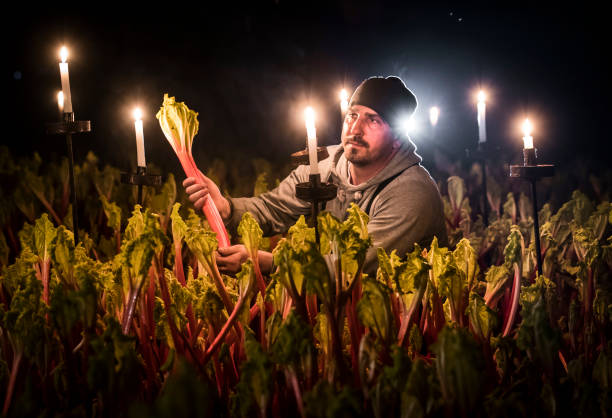
No joy.  Without light and photosynthesis, a green leaf fails to develop. When sticks reach the height of 12” to 15”, they are carefully twisted free from the eyes in the crown, one by one, so another round of sticks can sprout.   The plants are so light-sensitive, they must be harvested by candlelight.  The exhausted crowns can be reused after a rest period outdoors restores their starch levels.  Older crowns may also be divided into buds. 


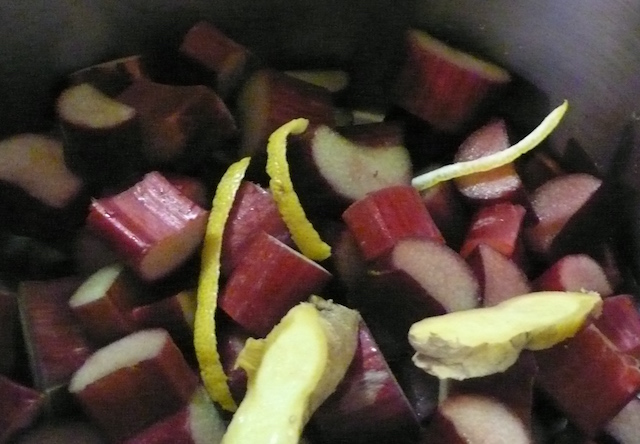
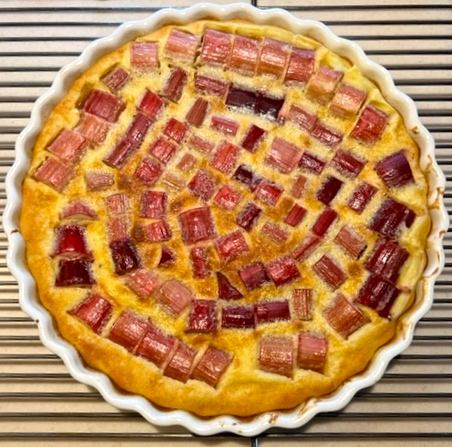
A Rhubarb Clafouti was among the recipes I prepared in a recent online class. This custard is the perfect foil for tender, sour-sweet Spring rhubarb. It's become a family favorite.


Enjoy!