A+ A A-
  • Written by Madelaine Bullwinkel

FOOD DIARY
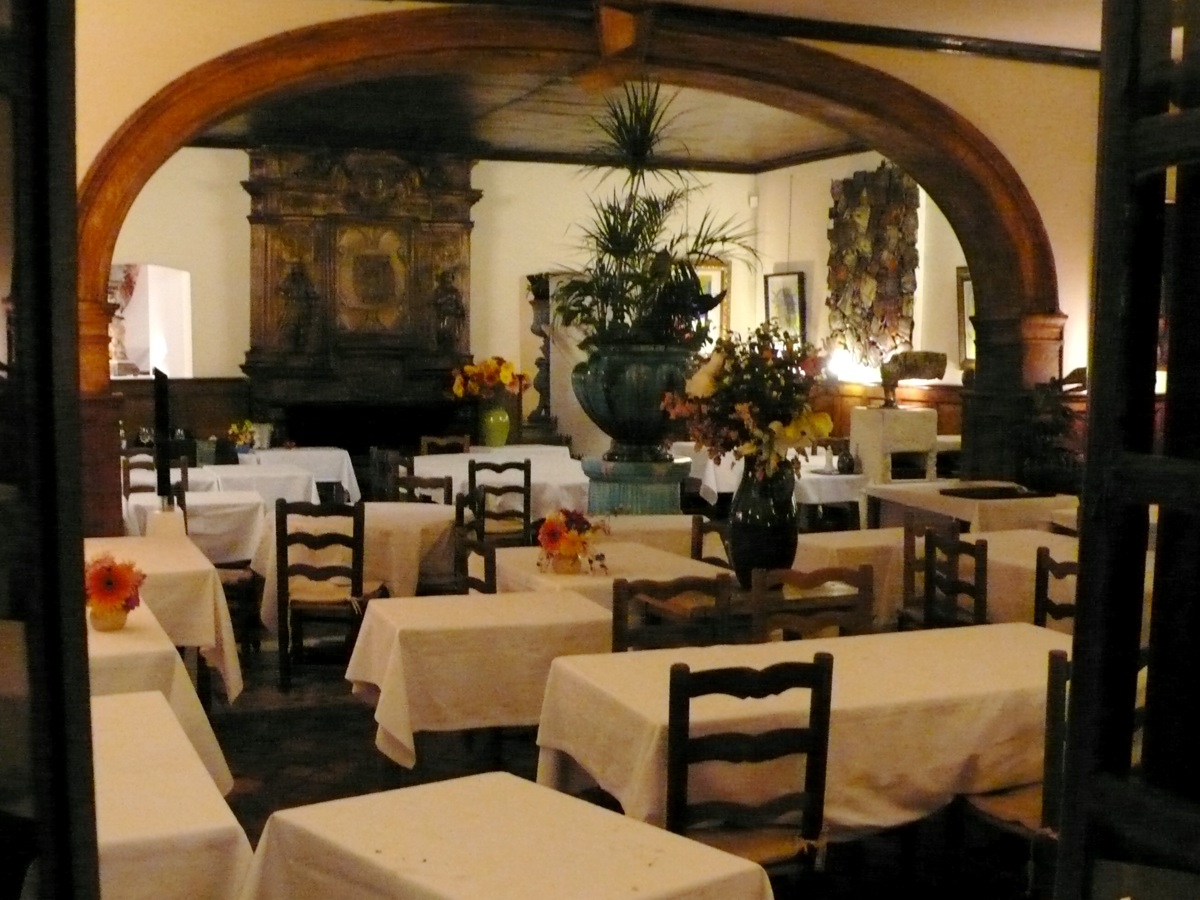
 

dining interior


Our plane back from France has just reached cruising altitude, and I’m already hungry.  It’s been hours since my quick, early breakfast.  I reach for the baguette sandwich stashed under my seat. (A thoughtful steward has brought me a glass of French red from business class.)  At that moment the food trolley comes down the aisle.  It’s too late.  The smiling stewardess slides a tray of human kibble under my nose.   I am forced to face the truth: I’m not in France anymore.

But I have plenty of memories. I will relive my favorite French meals as I review my photographs in the coming months.  They are a visual diary from which I’ve chosen a few notable examples to share with you.  (Warning: Read after eating.)
Read more: FOOD DIARY

  • Written by Madelaine Bullwinkel

NORMAN INVASIONS

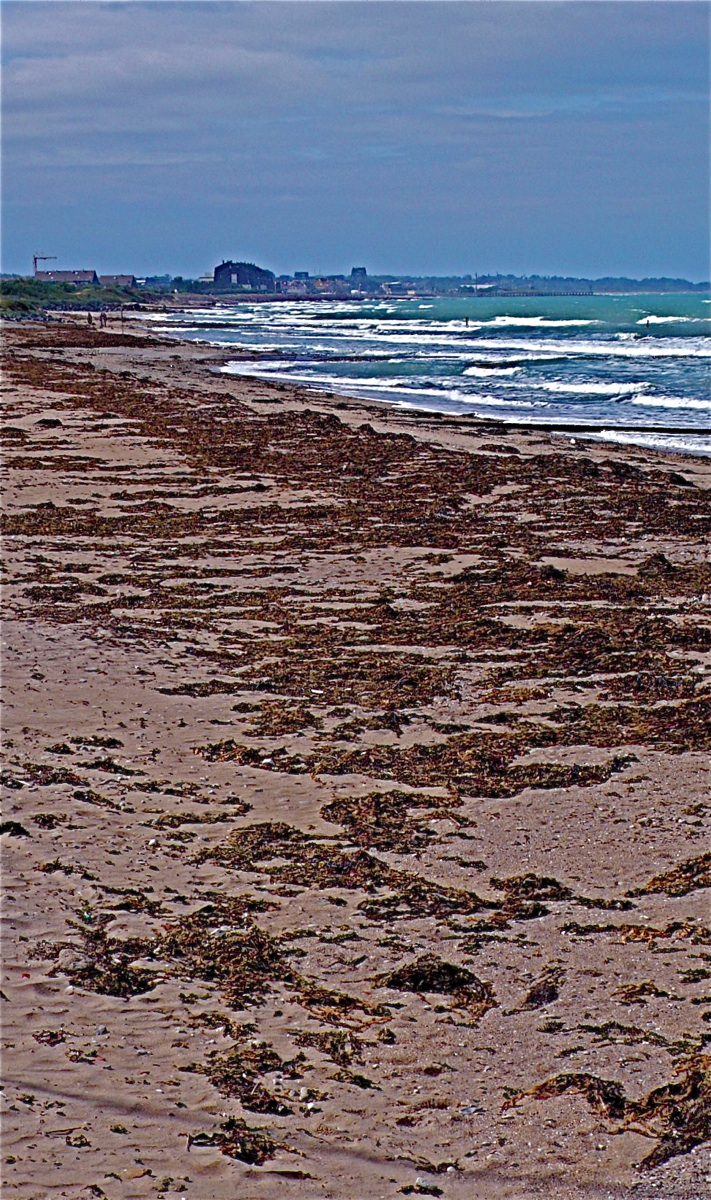
seashoreThe Atlantic seascape was calm and vast under a sky of billowing clouds as we drove along the northern shoreline of Normandy. The lush countryside felt foreign at first - our departure from the crowded Gare St. Lazare in central Paris still lingered.  But it was for real.  A two hour train ride had delivered us at land’s end.
George and I had come to explore the stretch of coastline between Cabourg and Honfleur advertised in tourist literature as the cote fleuri.  I had translated fleuri to mean flower gardens, wind-swept boardwalks and quaint resort towns. I’ve got to get a new dictionary.  It wasn’t like that at all.

Among these towns, port of Honfleur came closest to depicting fleuri in the sense that it had the most to offer visitors (my translation). The town is wonderfully picturesque, full of life and rich in historic highlights. It’s weather-beaten appearance can be attributed to its siting at the mouth of the Seine River.  Honfleur has been the target of  numerous naval attacks since the 11th century.

Read more: NORMAN INVASIONS

  • Written by Madelaine Bullwinkel

The Last Vineyard in Paris


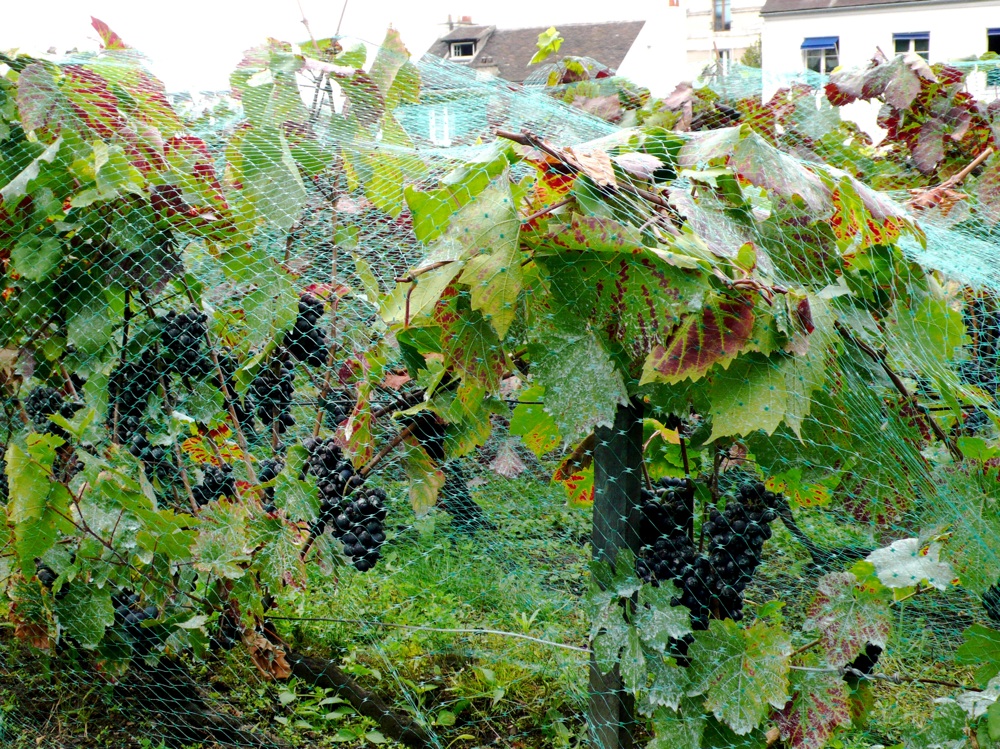
localgrapes

Montmartre is home to the last remaining vineyard in Paris.  Every tourist who takes a tour of the city passes by this hallowed spot.  But, if you look down at your cellphone on the tour bus, you’ll miss it.     


Visitors are simply amazed to see grapes growing in Paris.  They soon learn that vines have been growing on the butte since the first church was built in the 12th century.  Can you imagine an urban hillside covered with farm plots?  That’s the way Montmartre looked at the end of the 19th century.

Read more: The Last Vineyard in Paris